
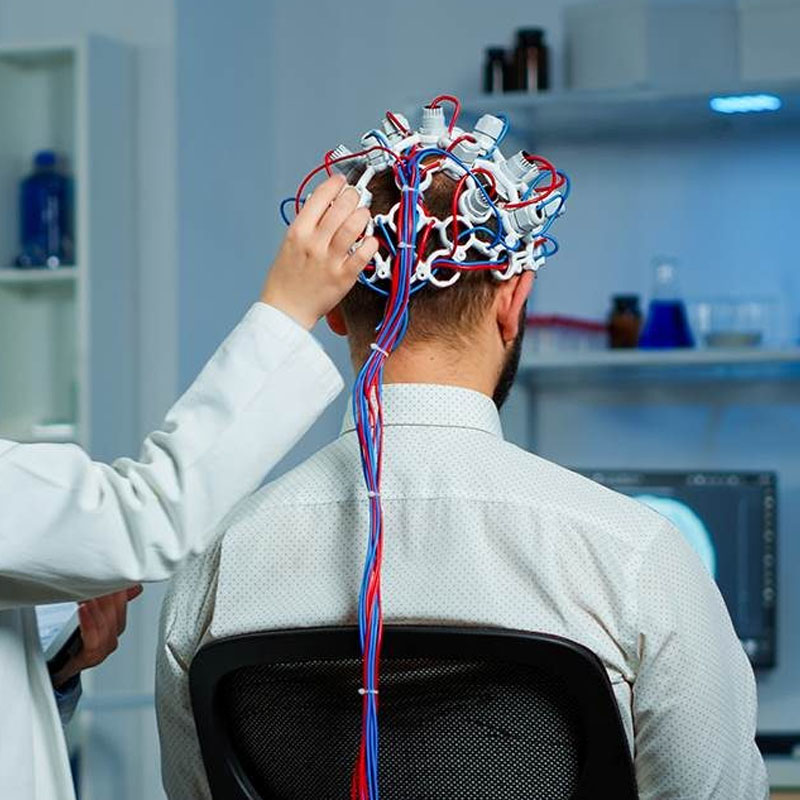
For those recuperating from neurological conditions including stroke, traumatic brain injury, spinal cord injury, multiple sclerosis, Parkinson’s disease, or cerebral palsy, neuro rehabilitation is a thorough, multidisciplinary approach. The impairments that can be addressed by this specific type of therapy include weakness, impaired motor control, spasticity, coordination, balance problems, sensory abnormalities, and communication difficulties. In this environment, rehabilitation places a strong emphasis on neuroplasticity—the brain’s natural capacity to rearrange itself and create new pathways for movement and function. MHC uses cutting-edge evaluation instruments to identify the unique neurological deficiencies and recovery possibilities of each patient. Evidence-based treatments might consist of: Functional electrical stimulation (FES), task-specific movement retraining Constraint-induced movement treatment (CIMT) Training for gait and balance Communication and cognitive treatments Psychological and behavioral assistance Injury prevention: Promotes a safer return to physical activity by stabilizing muscles and joints and reducing re-injury. Care that is person-centered is crucial. At MHC, rehabilitation objectives are jointly established with patients and their families, encouraging self-determination and active engagement during the healing process. Maximizing independence, resuming important daily activities, and offering assistance for long-term treatment of chronic illnesses are the main goals of our neuro rehab programs. This reflects our goal of providing human care milestones for some of the most challenging rehabilitation requirements.
Mulligan Concept Therapy
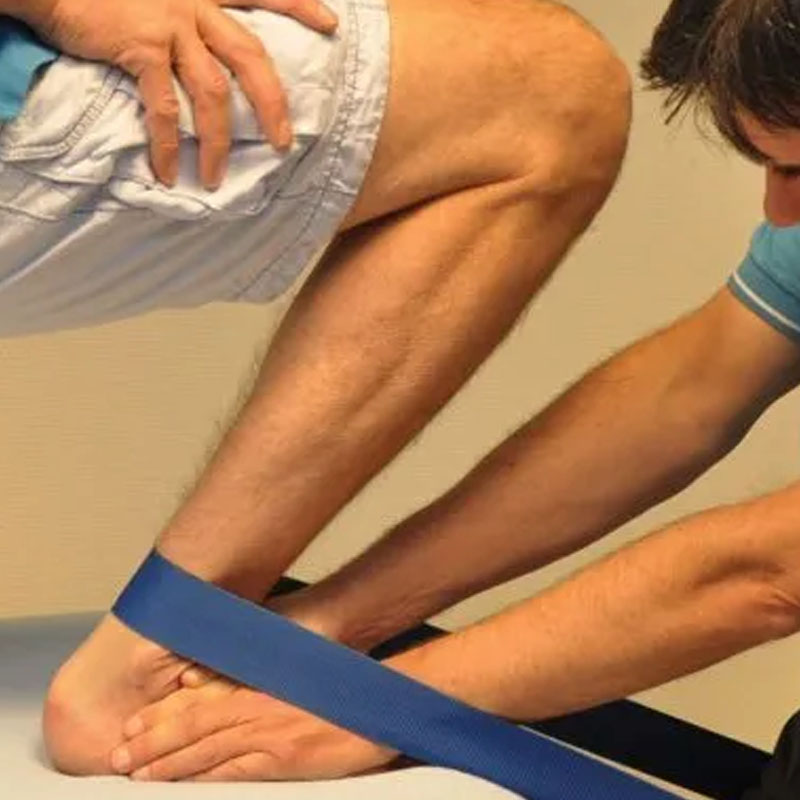
Mulligan Concept treatment is a unique manual treatment technique called “Mobilization with Movement” (MWM), which blends active patient movement with prolonged passive joint mobilization. This globally recognized technique, created by Brian Mulligan, is very successful in addressing joint limitations, discomfort, and mobility deficiencies in the spine and limbs. The idea of fixing minor “positional abnormalities” in joints, which are thought to be the root cause of many musculoskeletal issues, is central to the Mulligan Concept. Therapists may frequently accomplish quick, painless increases in range and function by using a particular glide or mobilization in the appropriate plane while the patient performs the problematic action. Mulligan methods are divided into three categories: MWMs for peripheral joints, SNAGS (Sustained Natural Apophyseal Glides), and NAGS (Natural Apophyseal Glides). The paradigm maximizes involvement and results sustainability by allowing for both self-management and therapist-led approaches. Instant pain alleviation, quick functional improvement, and a solid safety profile are only a few benefits of Mulligan Concept Therapy, given that its treatments are administered by qualified professionals. The Mulligan technique, which is taught to MHC’s therapists, guarantees that clients receive evidence-based progressions, painless corrections, and real-time feedback while keeping person-centered care at the center of therapy. This closely relates to our goal of assisting patients in safely and quickly reaching significant milestones.
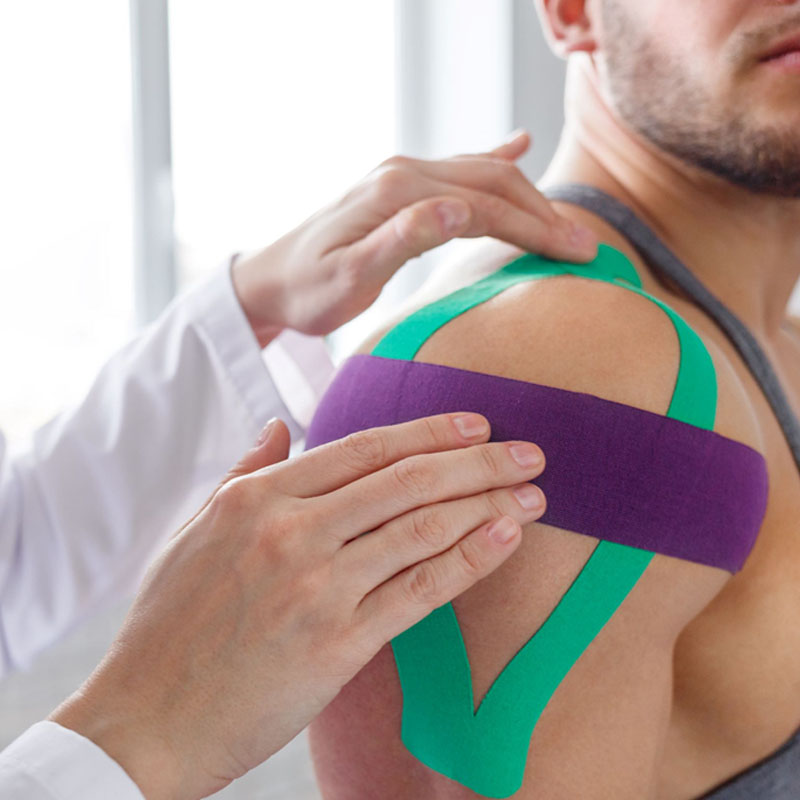
KT Sports Taping (Kinesiology Taping)
Kinesiology Taping, also known as KT Sports Taping, is a cutting-edge taping method that supports joints and muscles while enabling a complete range of motion. Kinesiology tape, in contrast to conventional stiff tapes, is breathable, elastic, and lightweight. It is intended to resemble the elasticity of the skin, allowing for dynamic support without limiting movement. KT tape application has several therapeutic benefits: Pain relief: KT tape helps to decrease swelling by gently elevating the skin, which eases pressure on pain receptors and promotes lymphatic drainage. Support and stability: Offers weaker or wounded parts structural support as they recover and engage in activities. Proprioceptive feedback: Promotes better posture and coordination by enhancing body awareness and correcting movement habits. Research indicates that KT tape can help with post-operative healing, treating both acute and chronic injuries, and improving sports performance. Even though research on its long-term effectiveness is conflicting, many patients report significant short-term improvements in pain and function, particularly when KT tape is combined with manual therapy and exercise. Following a customized evaluation, MHC’s certified practitioners use evidence-based KT taping procedures as a supplement to therapy. In accordance with our concept of holistic and milestone-driven treatment, we make sure that every tape session meets patient-specific goals, whether those goals be pain reduction, edema control, or performance development.
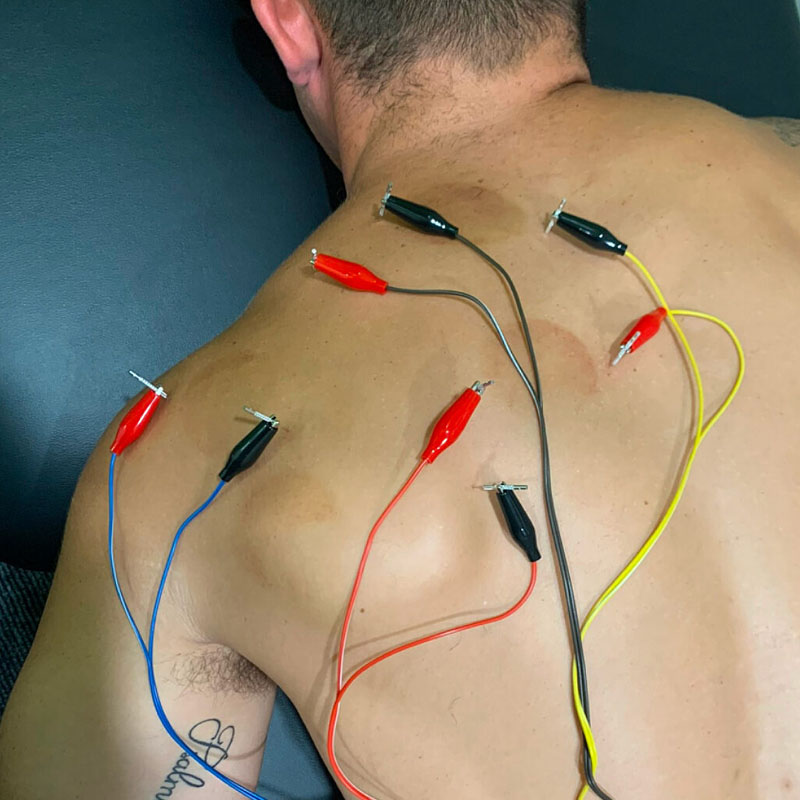
Dry Needling
Dry needling is a contemporary, scientifically supported treatment approach that targets myofascial trigger points—tight, hypersensitive nodules in muscles—to alleviate musculoskeletal pain and dysfunction. Dry needling, in contrast to acupuncture, has its roots in Western anatomy and neurophysiology and is intended to deactivate trigger points, alleviate pain, and restore normal range of motion. Thin, sterilized needles are inserted into particular muscle targets by a highly skilled practitioner during dry needling, which causes a local twitch reaction. Reduced muscular tension, improved blood flow, and the release of endogenous painkillers like serotonin and endorphins are the results of this neurophysiological process. Myofascial pain syndrome, sports injuries (such as strains or recurrent overuse), headaches, neck and back pain, joint discomfort, arthritis, and post-surgical rehabilitation programs can all benefit from this method. Following dry needling sessions, patients frequently report notable improvements in function and discomfort. The method is renowned for being minimally invasive, having quick results, and hastening recovery by promoting the body’s own healing processes. Dry needling is incorporated easily into MHC’s extensive physiotherapy programs. Our therapists adhere to strict guidelines for evaluation and aftercare, placing a high value on accuracy, cleanliness, and safety. MHC’s provision of dry needling guarantees patients access to state-of-the-art, drug-free pain relief, reaffirming our commitment to the best possible rehabilitation and quality of life.
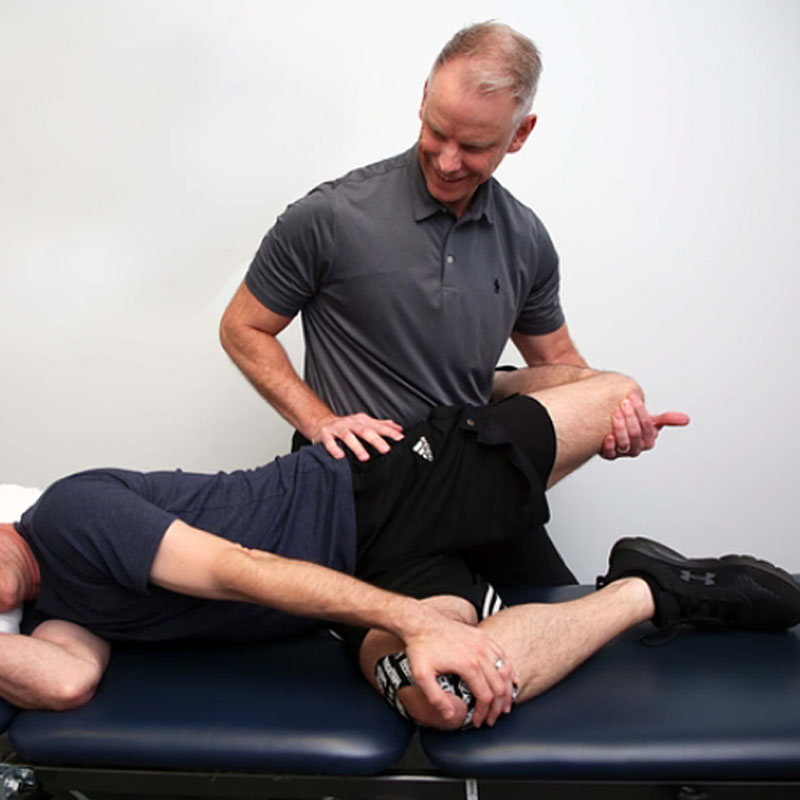
Orthopedic Manual Therapy
The examination, diagnosis, and treatment of neuro-musculoskeletal problems are the main goals of the hands-on, cutting-edge subspecialty of physiotherapy known as orthopedic manual therapy (OMT). Through the use of precise manual methods, including soft tissue mobilization, joint mobilization, manipulation, and therapeutic exercises, OMT seeks to improve mobility, reduce discomfort, and restore the maximum amount of functional capacity. Skilled manual interventions in OMT are guided by professional clinical reasoning and the latest scientific knowledge. The treatment may involve methods such as oscillatory mobilizations for stiff joints, high-velocity manipulations for limited mobility, myofascial release, trigger point therapy, and mobilization with movement. These methods are frequently combined with patient education and exercise recommendations to create a customized rehabilitation program. Both acute and chronic disorders, such as back and neck pain, osteoarthritis, post-injury stiffness, sports-related injuries, and post-surgical rehabilitation, can be effectively treated with orthopedic manual therapy. Beyond only relieving symptoms, OMT helps patients restore their confidence, independence, and ability to fully engage in everyday and leisure activities by restoring joint mechanics and tissue health. Our practitioners at MHC have received extensive training in OMT, guaranteeing that interventions are not only safe and successful but also customized to meet the needs of each patient. The end result is a holistic strategy that supports long-term well-being in line with MHC’s milestone-based human care purpose, produces the best results, and decreases pain without the need for needless medication or surgery.