
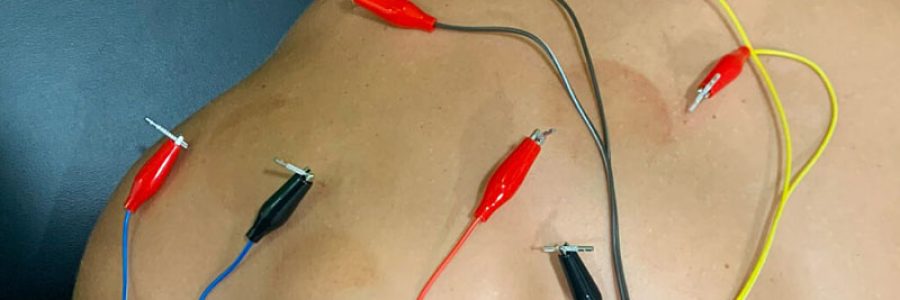
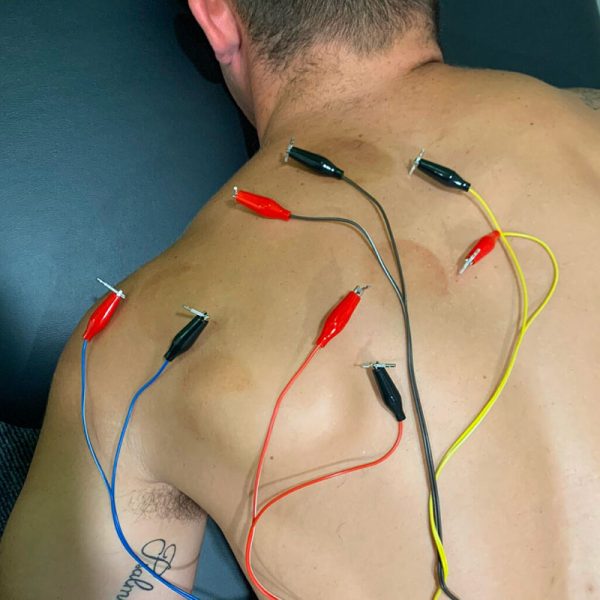
Dry needling is a contemporary, scientifically supported treatment approach that targets myofascial trigger points—tight, hypersensitive nodules in muscles—to alleviate musculoskeletal pain and dysfunction. Dry needling, in contrast to acupuncture, has its roots in Western anatomy and neurophysiology and is intended to deactivate trigger points, alleviate pain, and restore normal range of motion.
Thin, sterilized needles are inserted into particular muscle targets by a highly skilled practitioner during dry needling, which causes a local twitch reaction. Reduced muscular tension, improved blood flow, and the release of endogenous painkillers like serotonin and endorphins are the results of this neurophysiological process. Myofascial pain syndrome, sports injuries (such as strains or recurrent overuse), headaches, neck and back pain, joint discomfort, arthritis, and post-surgical rehabilitation programs can all benefit from this method. Following dry needling sessions, patients frequently report notable improvements in function and discomfort. The method is renowned for being minimally invasive, having quick results, and hastening recovery by promoting the body’s own healing processes. Dry needling is incorporated easily into MHC’s extensive physiotherapy programs. Our therapists adhere to strict guidelines for evaluation and aftercare, placing a high value on accuracy, cleanliness, and safety. MHC’s provision of dry needling guarantees patients access to state-of-the-art, drug-free pain relief, reaffirming our commitment to the best possible rehabilitation and quality of life.